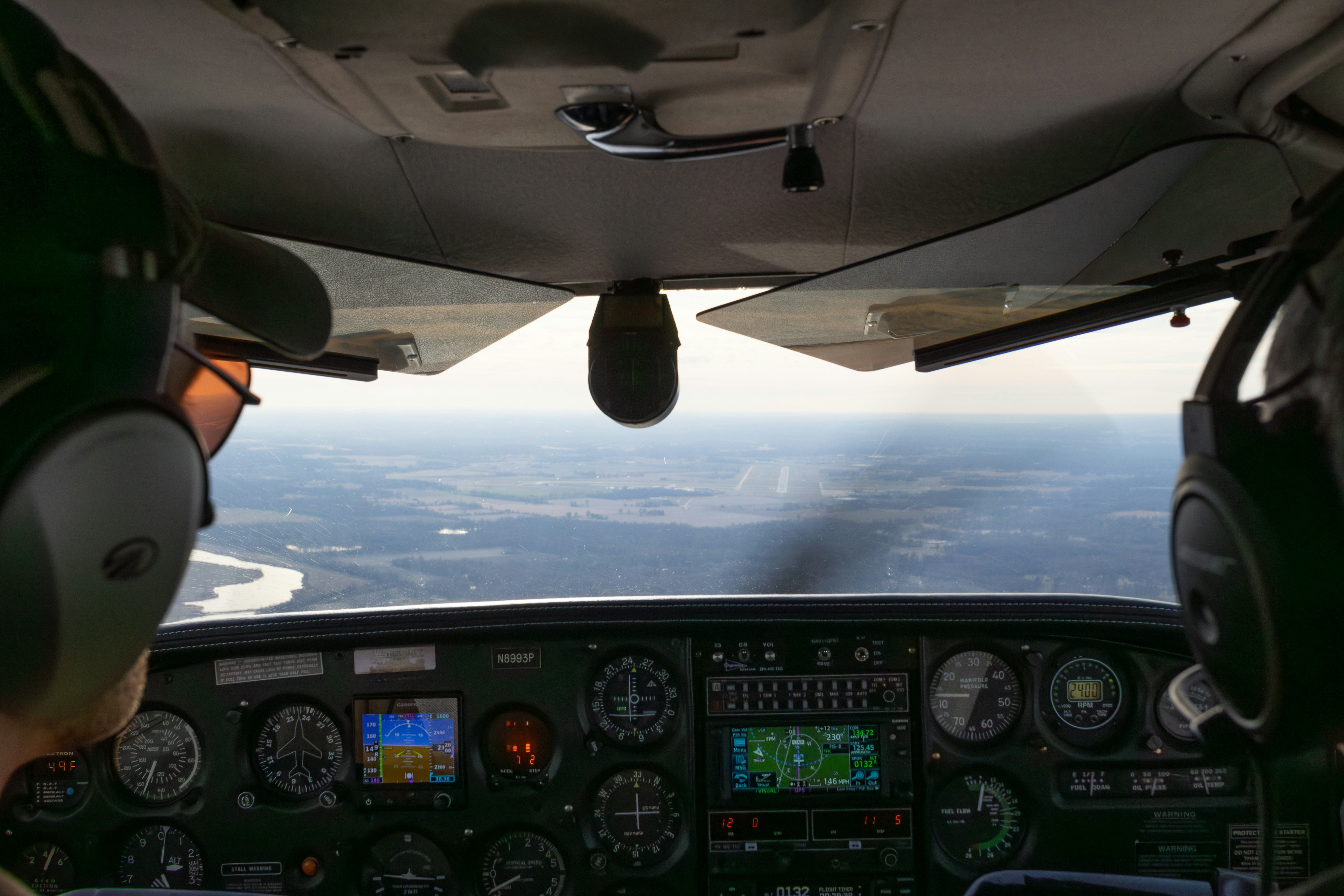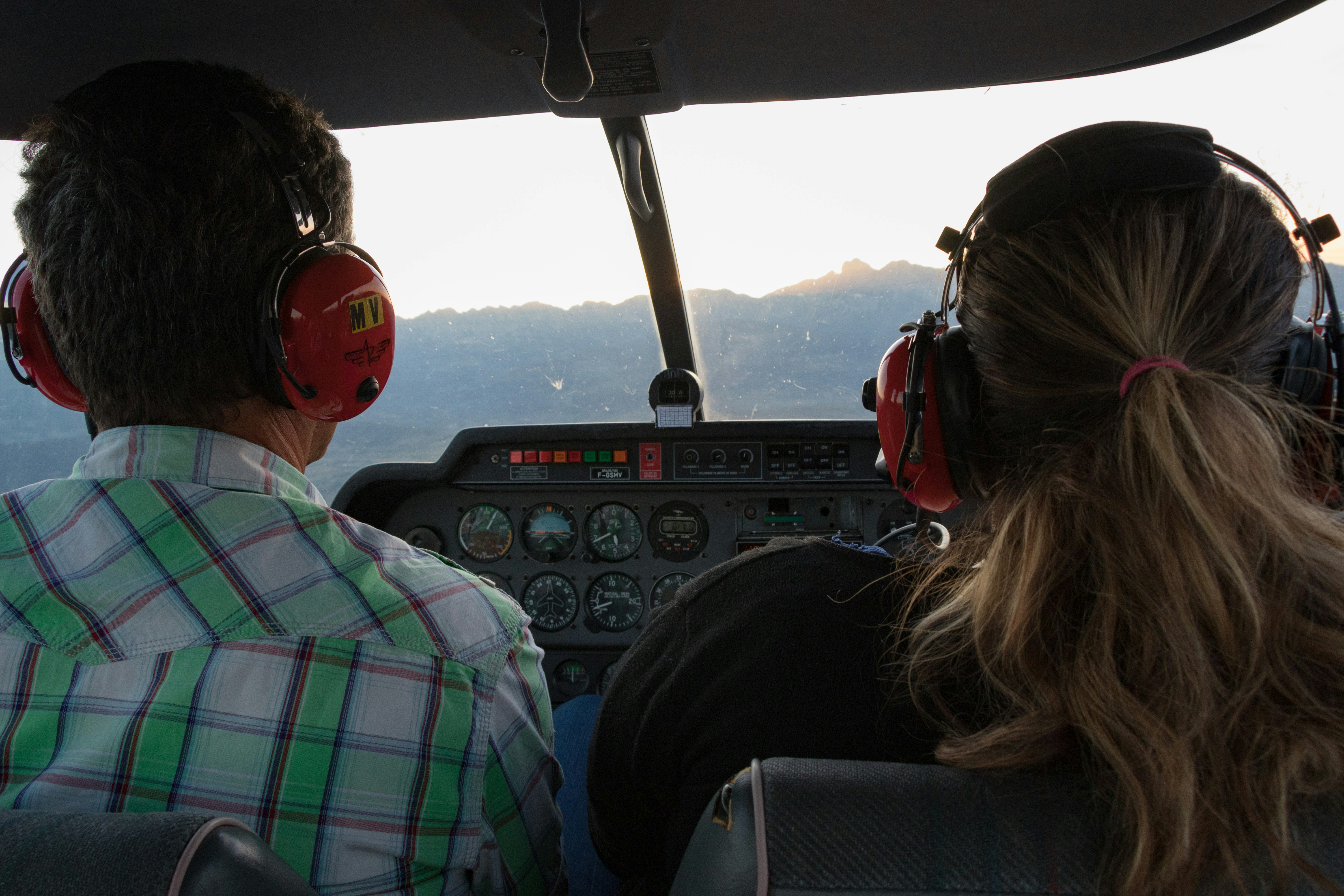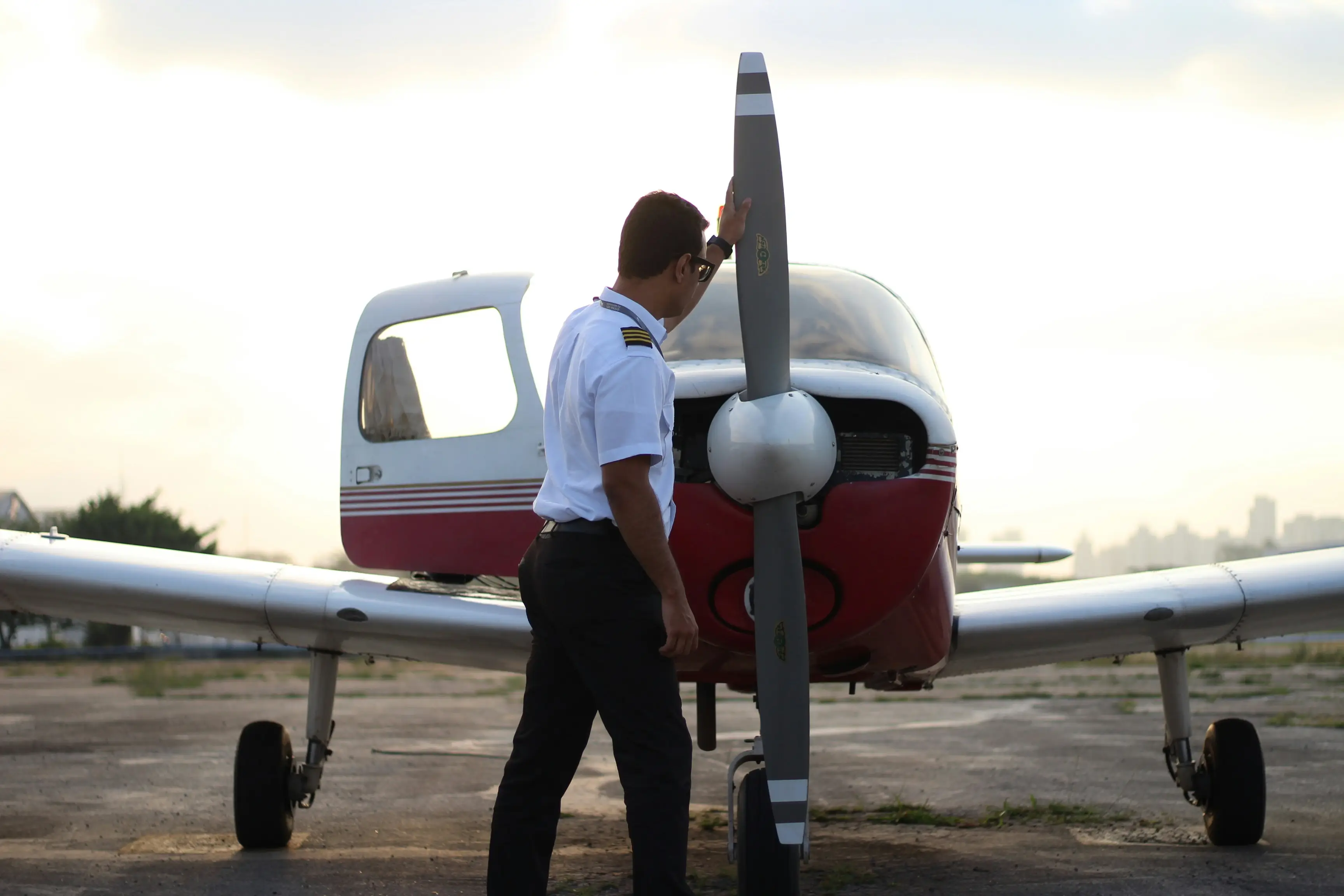
Success in your commercial pilot checkride comes from consistent practice, scenario preparation, and focused debriefs.
Understanding the Checkride
The checkride tests your ability to:
- Execute commercial maneuvers (short-field, steep turns, chandelles).
- Demonstrate emergency procedures (engine-out, unusual attitude recovery).
- Plan and execute cross-country flights efficiently.
- Communicate professionally with ATC.
Step 1: Review the ACS
- Map each maneuver to the Airman Certification Standards (ACS).
- Identify areas of weakness and track them in a progress log.
Step 2: Scenario-Based Practice
- Simulate real-world commercial flight scenarios.
- Include passenger/cargo weight variations, wind challenges, and unexpected weather.
- Practice decision-making under pressure.
Step 3: Immediate Feedback Loops
- Debrief every maneuver right after completion.
- Note errors, corrective actions, and repeat the maneuver until proficient.
- Use video or flight recorder playback if available.
Step 4: Ground Preparation
- Review charts, airspace, and regulations.
- Conduct mock oral exams with a CFI or peer.
- Memorize emergency procedures and performance numbers.
Step 5: Mindset & Confidence
- Maintain calm under pressure; mental preparation is as important as flying skills.
- Visualize the checkride sequence to reduce anxiety.
- Use positive reinforcement: track progress, celebrate mastery.
Ready to ace your commercial checkride?
With deliberate practice, scenario-based training, and careful tracking, your commercial pilot checkride can become a confident, well-managed step toward your professional aviation career.