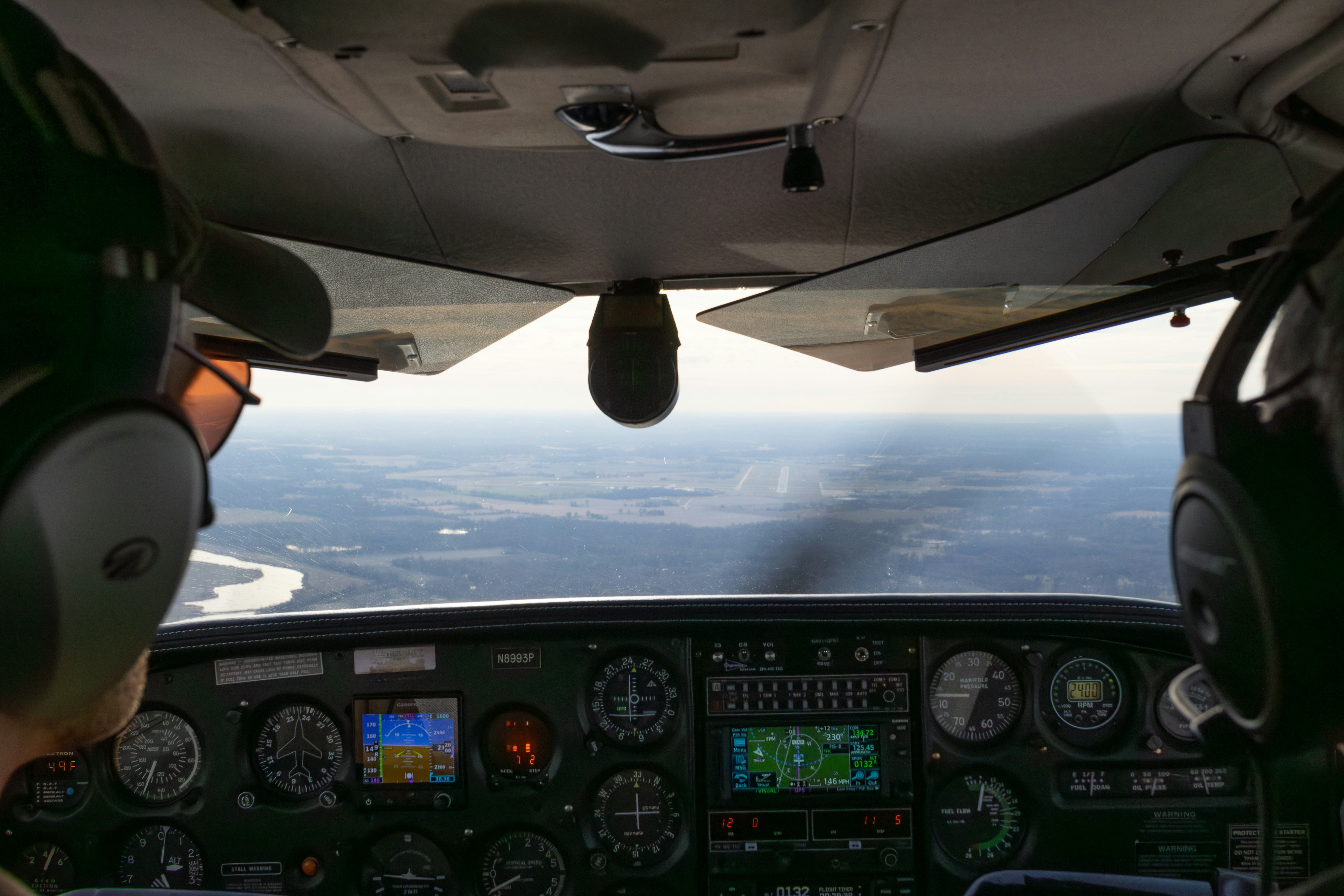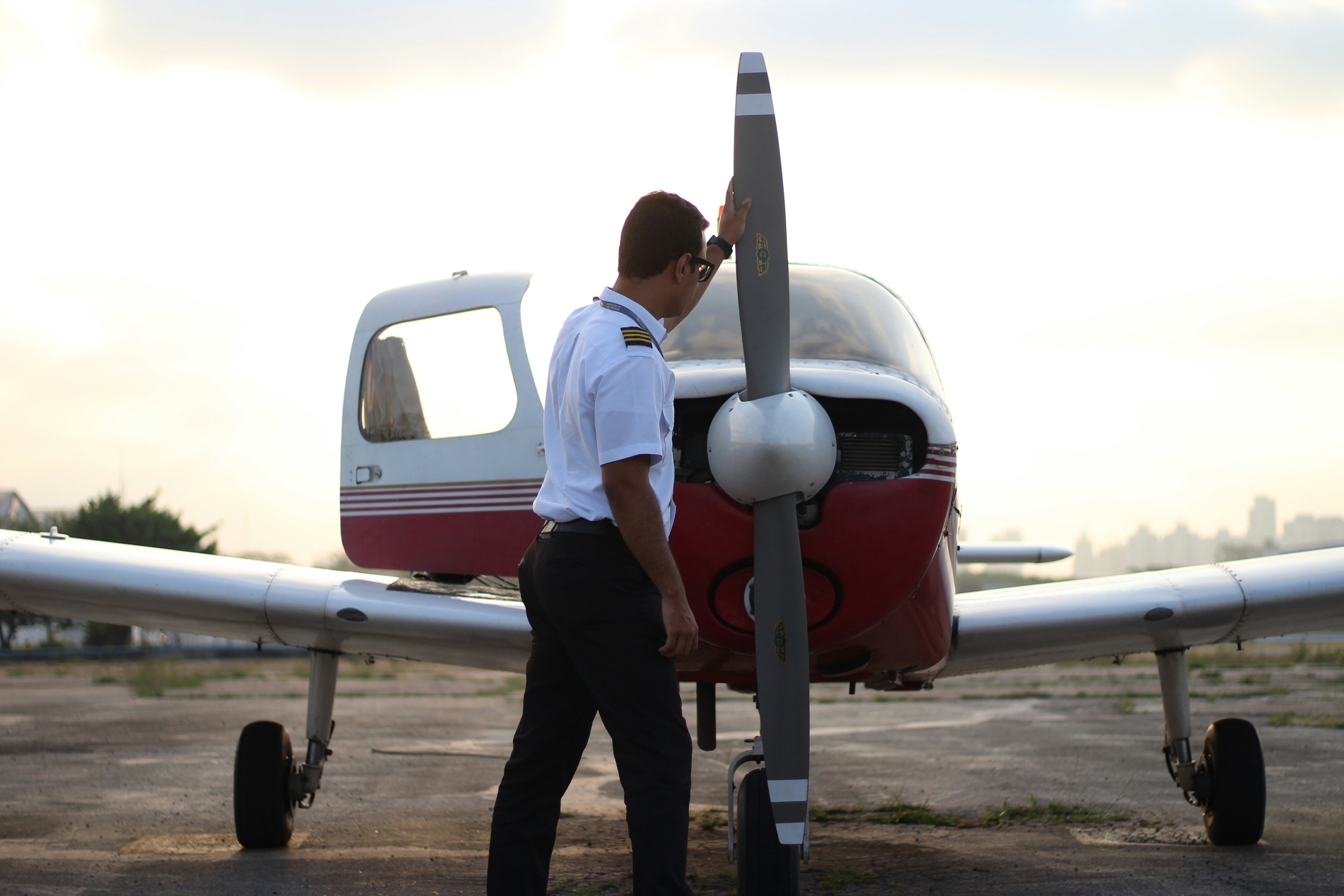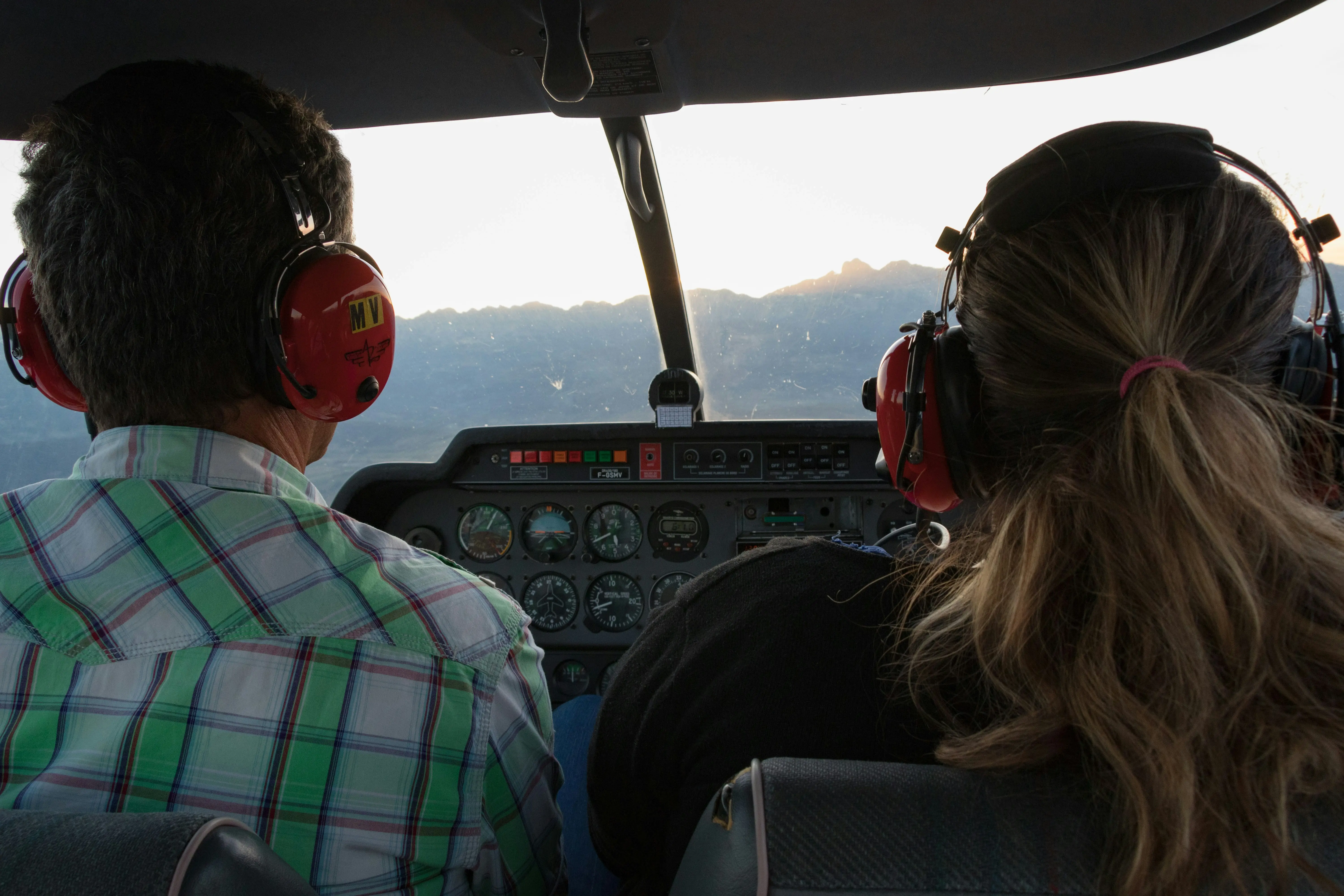
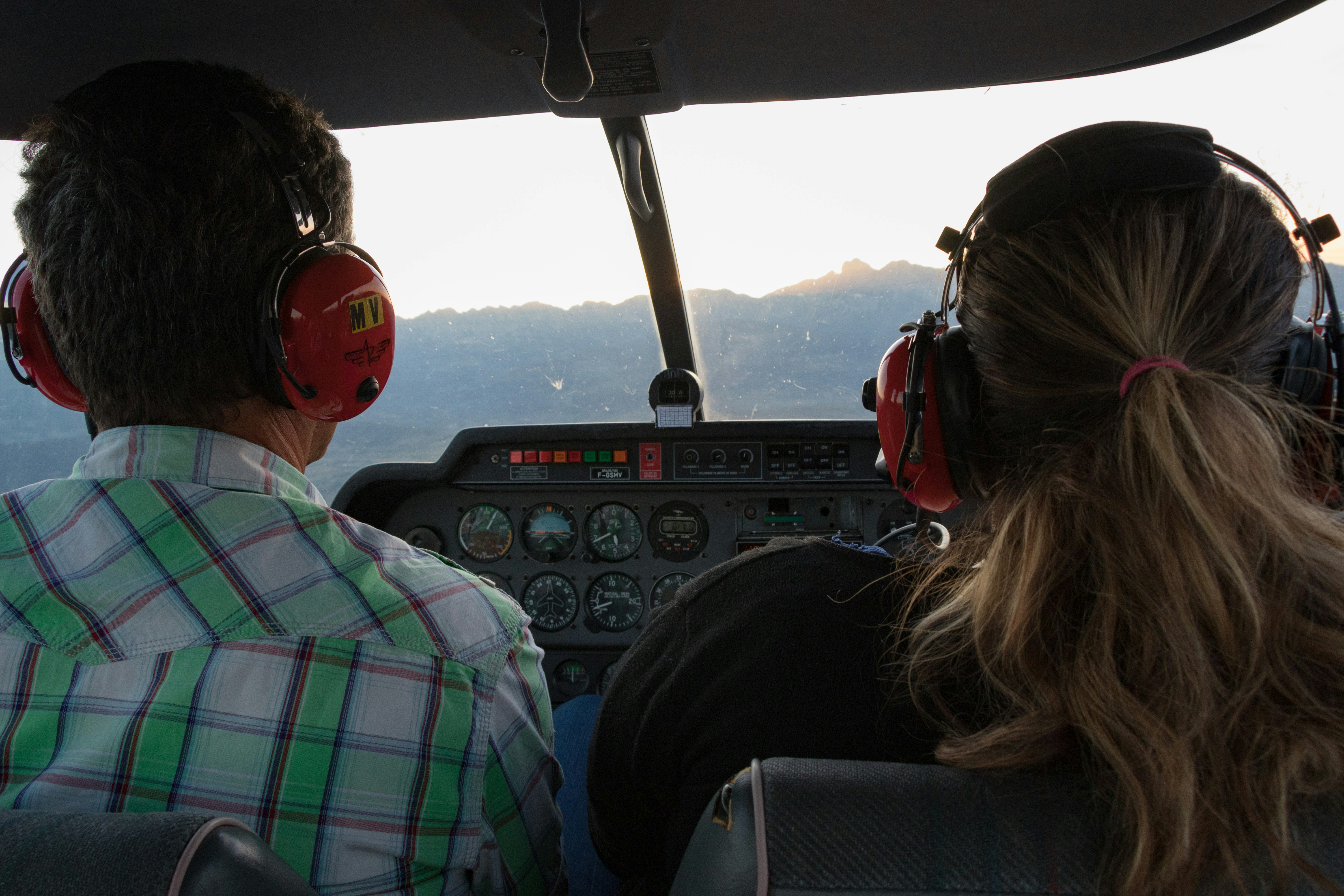
Instrument flying is all about precision, situational awareness, and confidence.
Why IFR Training Matters
- Enables flying in low visibility safely.
- Expands the range of conditions you can fly.
- Builds skills that improve overall airmanship.
Core Training Approaches
- Simulator sessions for instrument approaches, holds, and emergency scenarios.
- Scenario-based cross-country flights under IFR conditions.
- Step-by-step review of each approach and missed approach procedure.
Key Levers for Success
1. Short Feedback Loops
Debrief each approach immediately; correct errors before habits form.
2. Ground Briefings
Review approach charts, ATC communication, and procedures before flying.
3. Full-Flight Simulations
Practice complete IFR flights including departures, enroute, holds, approaches, and arrivals.
Tracking Progress
- Record flight hours, approaches, holds, and errors.
- Identify trends and target weak areas.
- Update next lesson plan based on prior performance.
Ready for the skies?
Structured, hands-on IFR training accelerates learning while maintaining maximum safety and confidence.